
Categories
Articles
Green and sustainable purchasing – what, why and how?

Smart Procurement, 4 April 2022
Everything we use every day has an impact on the environment. So why, asks “The Little Green Queen”, Lorraine Jenks in this punchy article, don’t we use the incredible power we have to demand better, safer products with every purchase we make?
Read moreGreening Your Business

Business Brief, August/September 2017
“The future will either be green or not at all” – Bob Brown
Read moreFood takes on an ethical flavour

By Lesley Stones
Business Day Live, 2 November 2015
Conscious consumption is becoming a global trend and food lovers are increasingly seeking out artisanal products that are ethically and naturally produced.
Read morePurchasing for your green exhibit

By Lorraine Jenks
The Planner, 24 September 2014
The concept of green procurement is daunting. It can be a minefield of allegory, misinformation, conflicting research, controversy and constantly evolving definitions of green criteria. South Africa is rife with ‘green washing’, which is when a manufacturer deliberately provides misleading information about how green the product is.
Read moreThe Responsible and Sustainable Tourism Handbook for Southern Africa
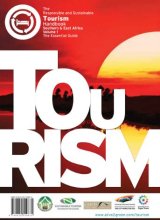
The Responsible and Sustainable Tourism Handbook for Southern Africa, 2013/2014
In a carbon and financially challenged world tourists have to justify their destination choices – at least to themselves. No better marketing argument can be made right now as to why tourists should choose to travel to southern Africa, than that to do so will contribute to the sustainable development of this special place.
Read morePurchasing for your Establishment
By Lorraine Jenks
The Responsible and Sustainable Tourism Handbook for Southern Africa, 2013/2014
Everything each of us does, every day, has an impact on the environment - everything we wear, eat, walk, sit and sleep on, decorate with, entertain ourselves with, travel by, write on, communicate via, play with throughout a 24 hour day impacts on forests, the air, our water systems, natural resources and landfill challenges.
Read moreEskom committed to powering sustainable tourism
The Responsible and Sustainable Tourism Handbook for Southern Africa, 2013/2014
With South Africa globally renowned for its extensive and unrivalled destinations, Eskom fully supports businesses in the hospitality sector to install and implement energy efficient technologies and solutions as measures against rising operating costs.
Read moreEnergy Efficiency Awareness

Mail & Guardian Supplement, 6 December 2013
The Energy Efficiency Awareness award recognises media or communication managers within large corporates who have made an exceptional effort to promote energy efficiency to employees.
Read moreNational Energy Award Winners Revealed

By Natasha Odendaal
Engineering News, 6 December 2013
State-owned power utility Eskom’s eta Awards this week showcased the exceptional efforts by South Africa’s individuals, students, companies and other institutions in energy efficiency initiatives to reduce strain on the national grid.
Read moreExhibition Stands = The Greener the Better
EXSA, 29 November 2013
Encouraged by an inspiring workshop on Green Exhibition Design attended by our Design Team, and hosted by the Exhibitions and Events Association of Southern Africa (EXSA), we believed it appropriate to share this vital information with you.
Read more